

Andean peatlands and páramos: cold wetlands
The páramos and Andean peatlands (bofedales in Spanish) are high Andean wetlands found at altitudes of over 3,800 m. They are generally characterized by the accumulation of large quantities of water in their soil, which acts like a sponge, and by the predominance of shrub-like vegetation, which is why they are classified as mountain meadows or shrublands. According to the Ramsar Convention classification, they correspond to “non-forested peatlands, including shrub or open bogs, fern bogs, Andean peatlands, and fens.” Andean peatlands in turn are usually classified into two main groups: forested and non-forested.
The high Andean peatlands are non-forested and resemble prairies, which usually surround these wetlands in the lower parts of the valley. High Andean prairies are common at the base of the mountains in the driest areas, where low humidity or low temperatures limit the density of shrubs and trees.
Given that they are in the high areas of the Andes, the average air temperature is low (less than 16°C), which means that the rate of decomposition is much lower than in the lowland Basin. As a result, thick layers of dead organic material, known as peat, are formed, accumulated over thousands of years and under permanently humid or flooded conditions. The peat from páramos and high Andean peatlands can reach from a few centimeters to several meters in depth. In the tropical Andes, peatlands can also be associated with shrubs.
Peat is most abundant between 4,000 and 5,000 m, where the average air temperature is below 16°C. In the highest areas, many of these páramos and peatlands are associated with streams of glacial origin, and can be found next to small acidic springs, or be covered by thin layers of snow for short periods of the year.
Although they have different ecological characteristics, especially in terms of organic soil depth, the páramos, peatlands and the high Andean prairies are often closely related and in proximity, and probably all should be managed together. Grazing, whether of camelid livestock (llamas, alpacas, vicuñas and guanacos), or of goats, sheep, horses and cattle, can be considered one of the main impacts on peatlands, as it compacts the soil, causing it to lose its sponge-like structure and, therefore, its water storage capacity.
Botanists have recently suggested that the aguajales (palm swamps) could also be considered wooded peatlands, given that they have organic soils under relatively high temperatures typical of the lowland Amazon. Like other peatlands, they store a large amount of carbon. This suggestion will likely not gain wide acceptance since these palm swamps are already known as such or have been assigned local names, such as aguajales in Peru, cananguchales in Colombia or buritizais in Brazil. However, due to their extent, it is necessary to recognize their importance as large carbon stores.
We recommend you to read: An introduction to the bofedales of the Peruvian High Andes
-
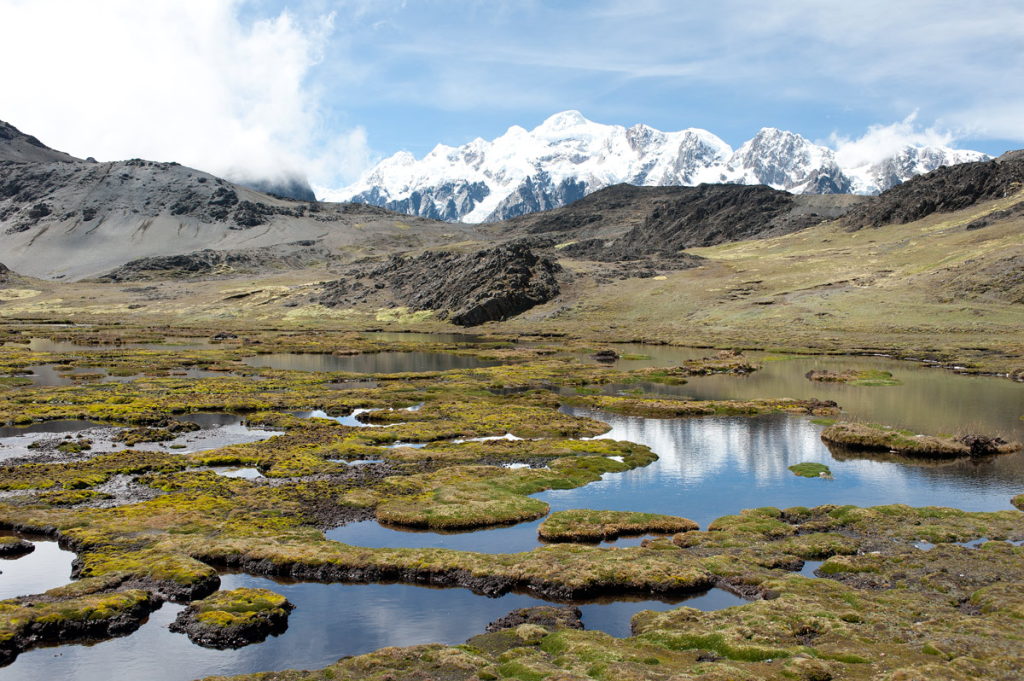
imagem_2023-07-06_090345996
High elevation Andean peatland. Department – Country: Cusco – Perú Main Basin – Sub Basin: Madeira – Madre de Dios Elevation: 4702 Photographer: André Baertschi
-
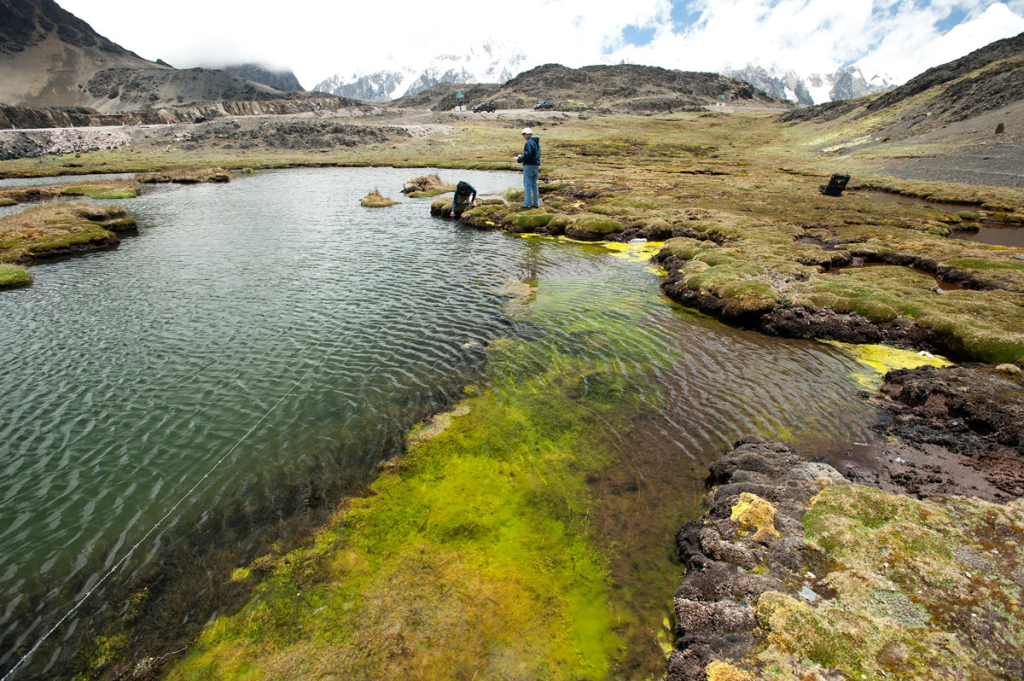
imagem_2023-07-06_090447297
Peatland and pools in high elevation Andes. Department – Country: Cusco – Perú Main Basin – Sub Basin: Madeira – Madre de Dios Elevation: 4722 Photographer: André Baertschi
-
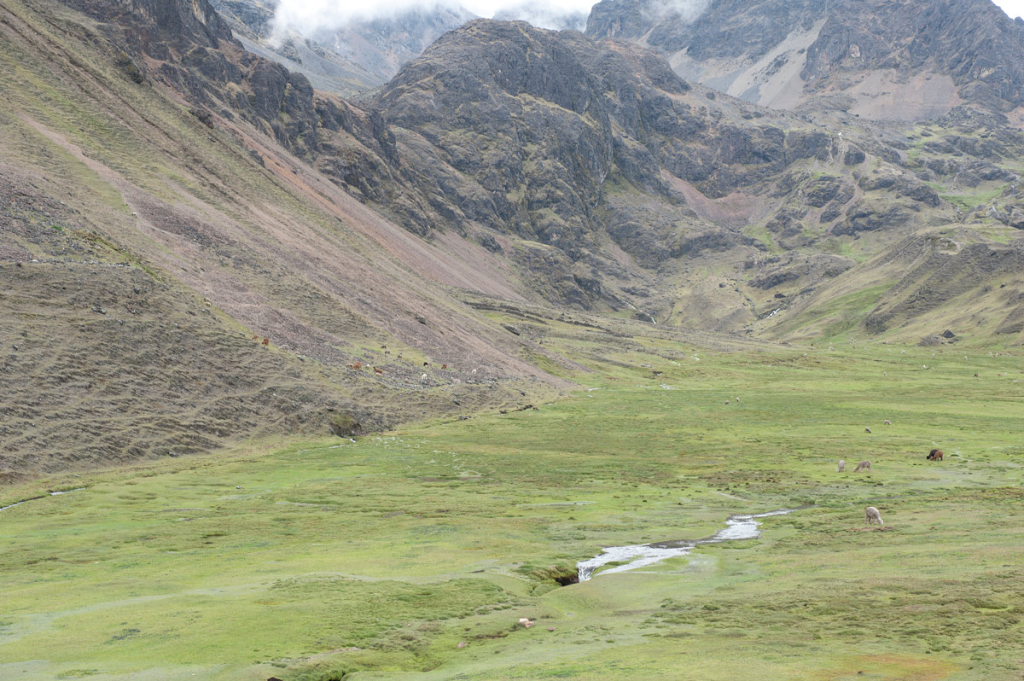
imagem_2023-07-06_090506782
High elevation meadow and in part peatland. Department – Country: Cusco – Perú Main Basin – Sub Basin: Madeira – Madre de Dios Elevation: 4198 Photographer: André Baertschi
-
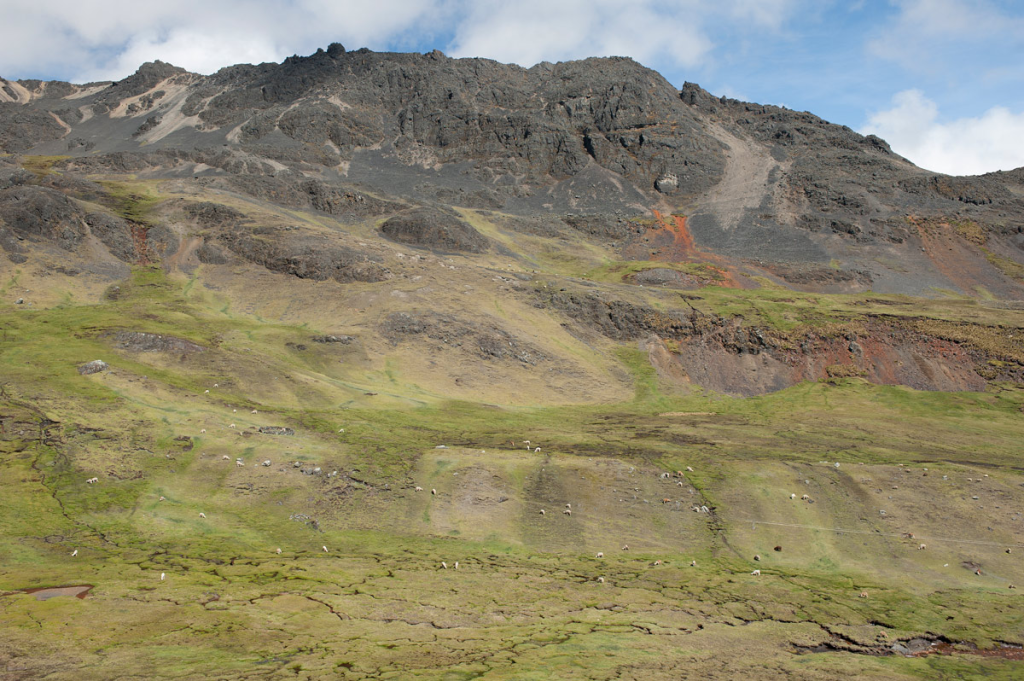
imagem_2023-07-06_090531798
High elevation Andean meadow with numerous small streams and springs that could be considered as wetland. Department – Country: Cusco – Perú Main Basin – Sub Basin: Madeira – Madre de Dios Elevation: 4520 Photographer: André Baertschi
-
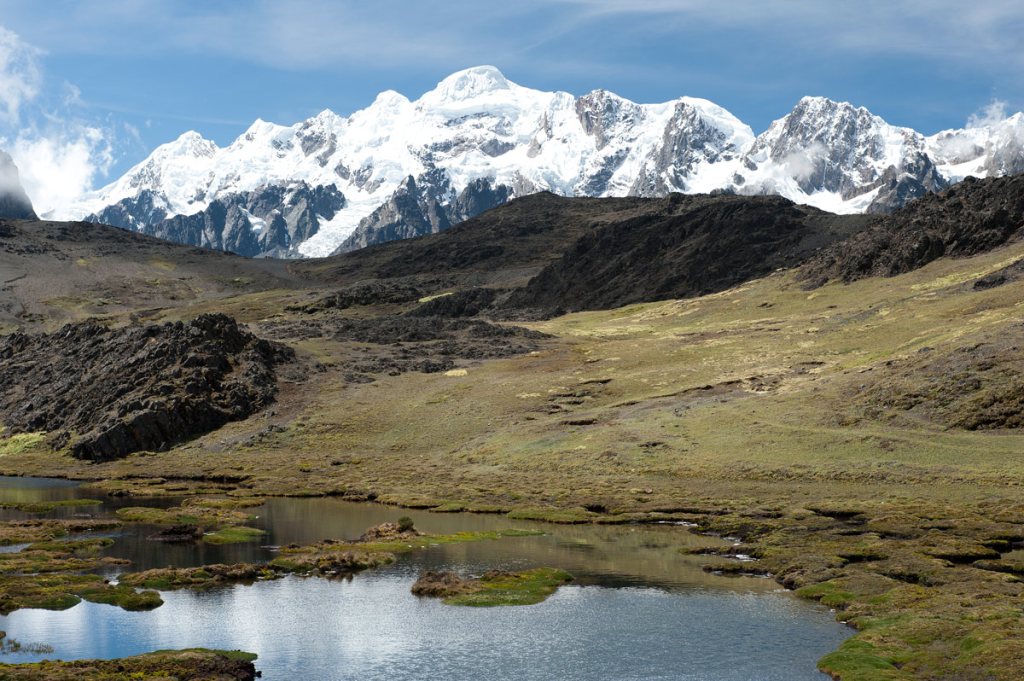
imagem_2023-07-06_090557976
High elevation peatland in lake-like environment with relatively large glacier in background. Department – Country: Cusco – Perú Main Basin – Sub Basin: Madeira – Madre de Dios Elevation: 4702 Photographer: André Baertschi