
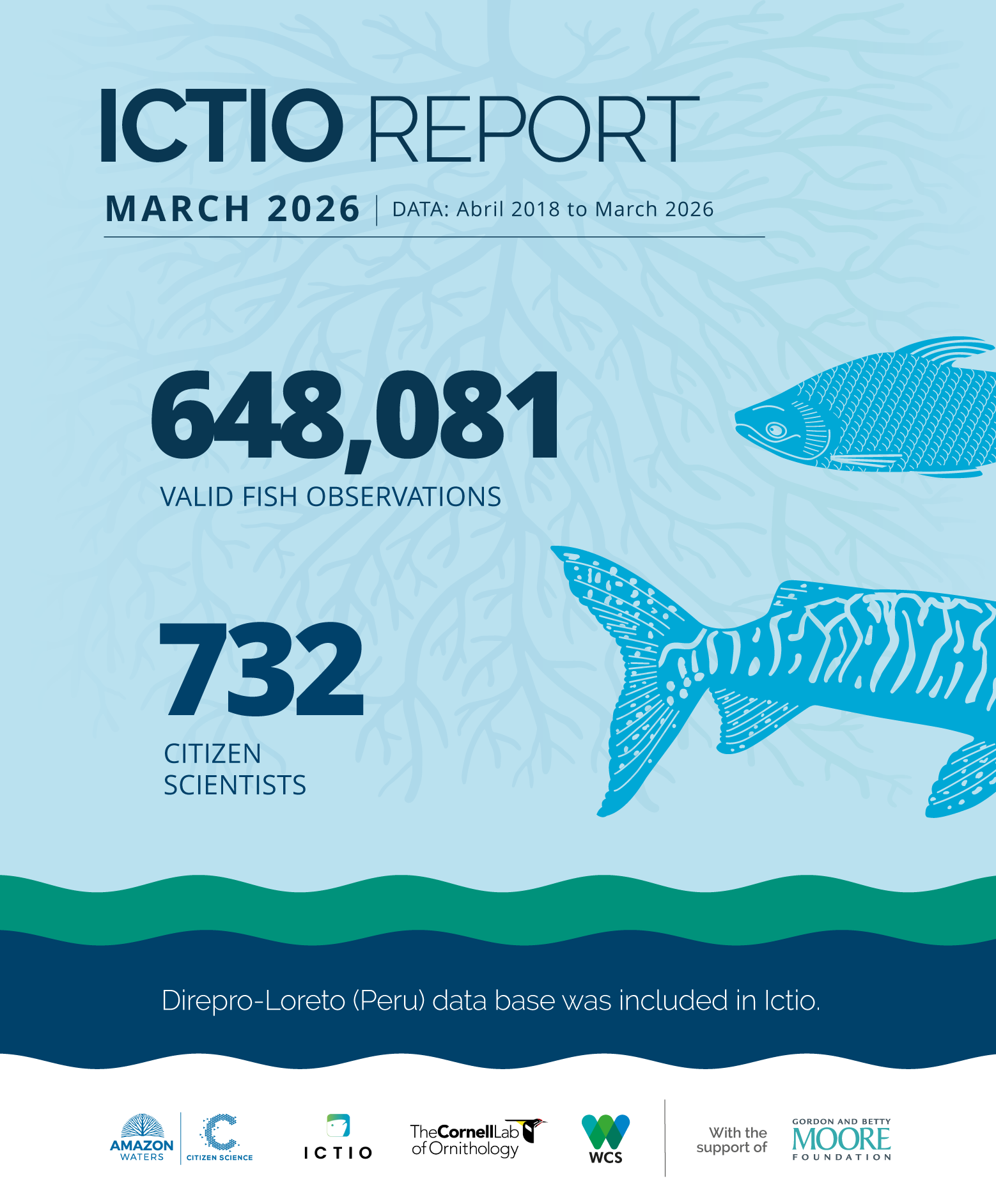
Ictio records 648,081 fish observations from 122 species/groups across 584,945 fishing events (Figure 1).
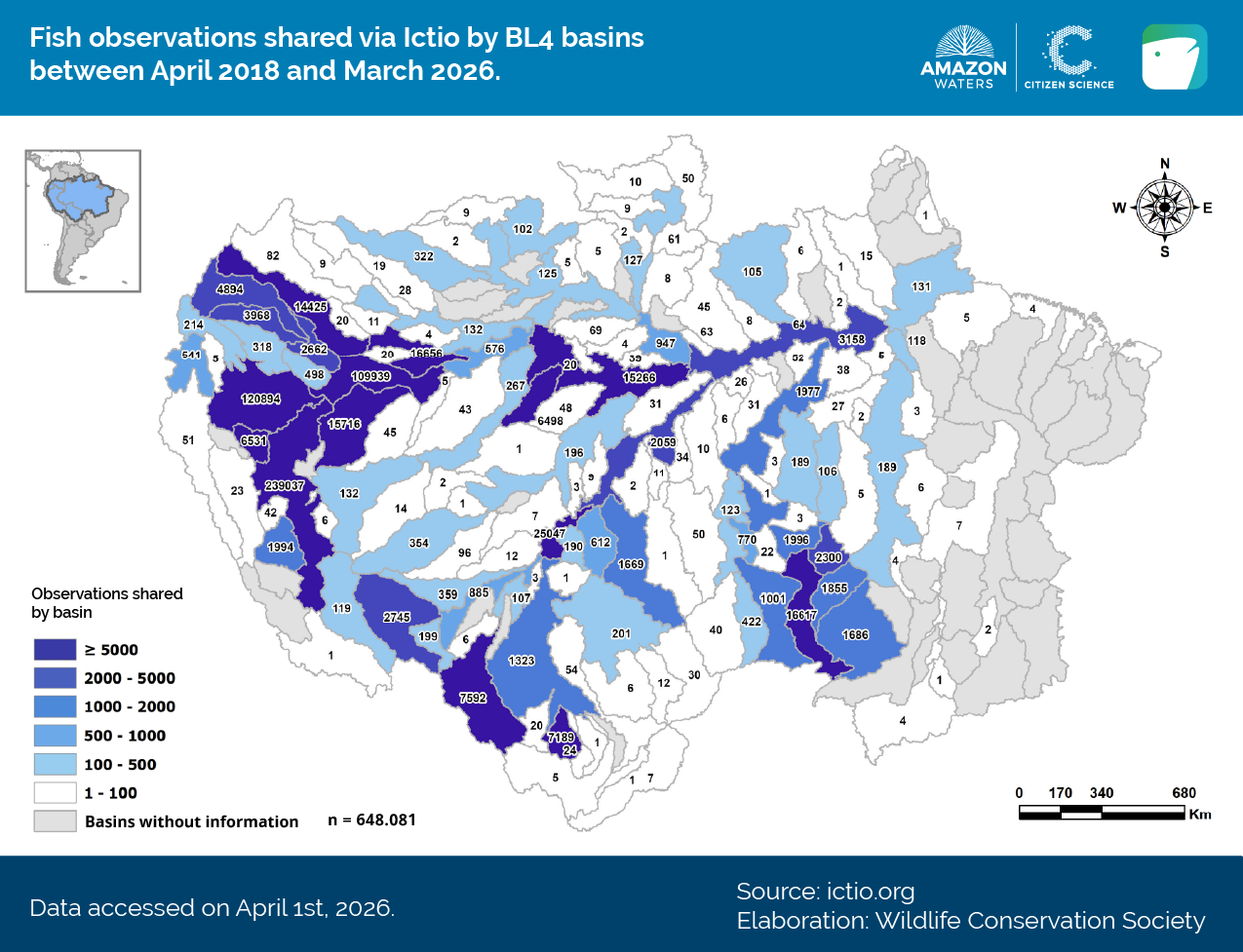
Figure 1 – As of 31 March 2026, Ictio holds 648,081 fish observations in 594,945 checklists (fishing events). Data cover 153 (77%) of the Amazon’s 198 fourth-level subbasins (BL4)*.
The Direpro-Loreto (Peru) database was fully integrated into Ictio, including its historical records through September 2025 (read more here). Ictio currently compiles information from 153 fourth-level sub-basins (BL4)* across the Amazon. With this addition, the ranking of the basins with the highest number of records has changed: Ucayali now leads with 239,037 observations, followed by ‘Marañón — downstream Huallaga’ (120,894) and ‘Amazonas — upstream Jandiatuba’ (109,939 observations) — all located in Peru (Figure 2).
Between January and March 2026, the sub-basins with the highest percentage increases in records were also concentrated in Peru (Figure 3):
Putumayo–Içá — downstream Igaro Paraná: more than 5,300% increase (16,656 total observations).
Hipona: more than 1,900% increase.
Ucayali: more than 16,000% increase.
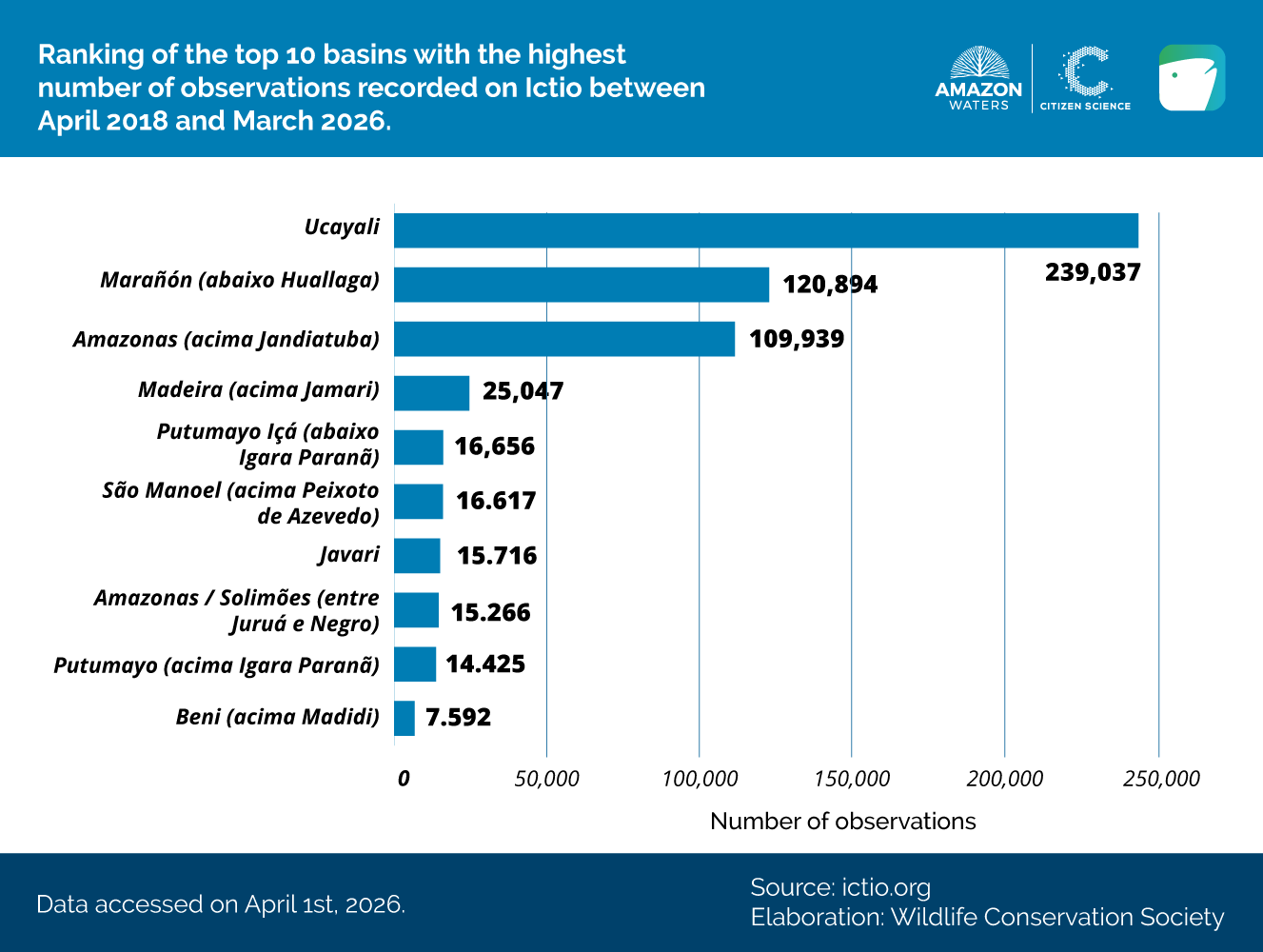
Figure 2 – BL4 subbasins with the highest number of Ictio records as of March 31, 2026.
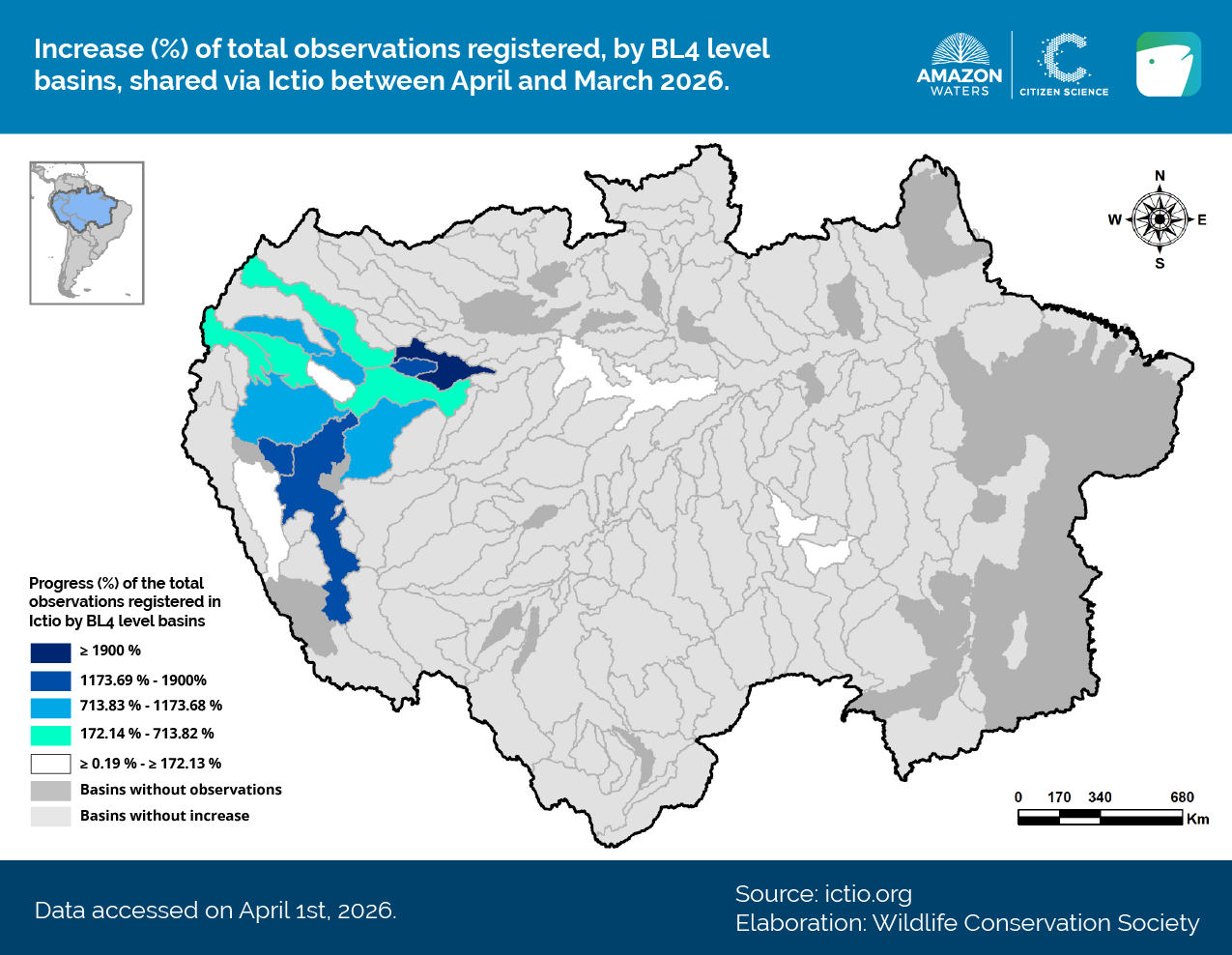
Figure 3 – Changes in Ictio records by BL4 subbasin between January and March 2026
Registered species
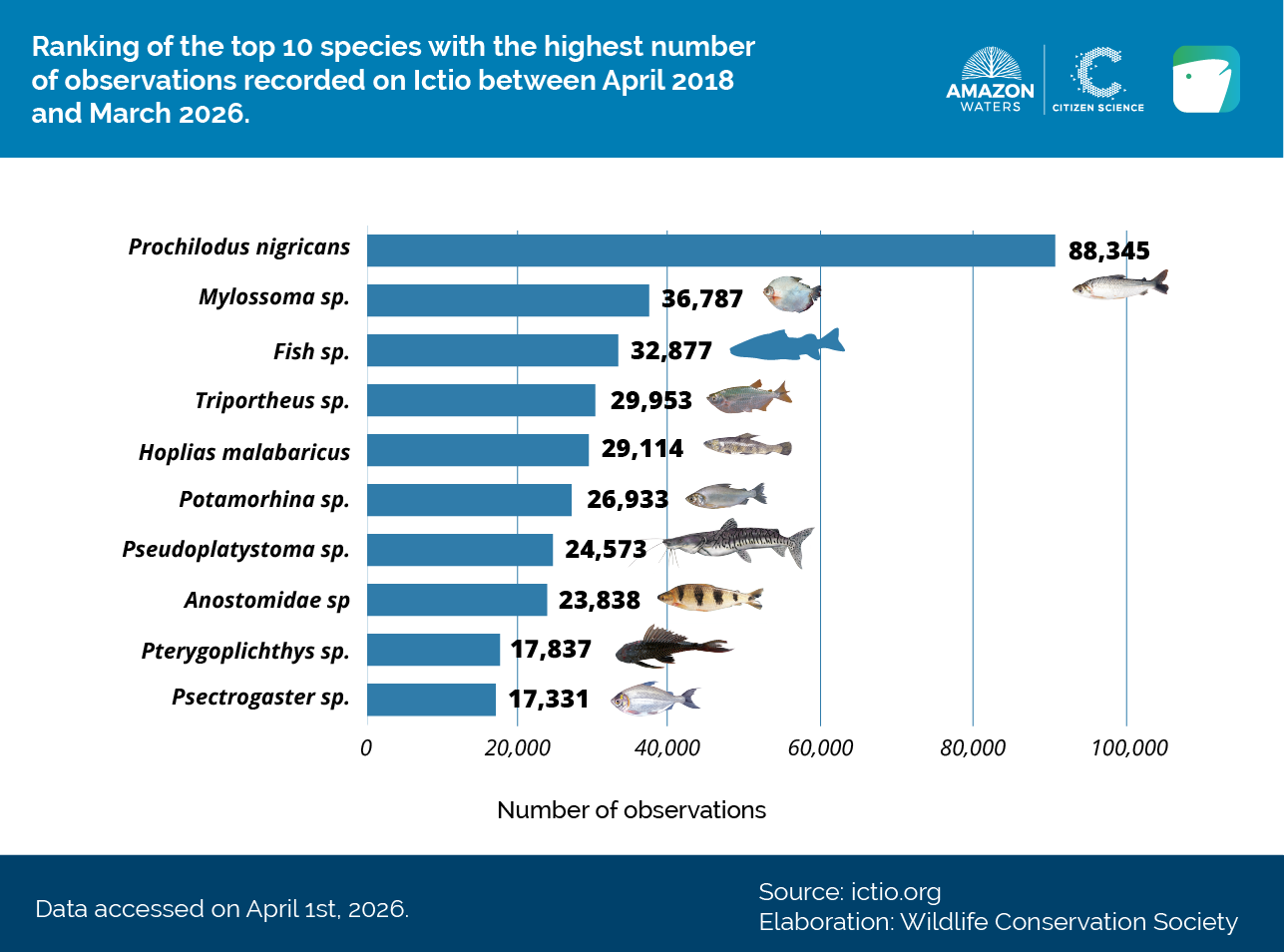
Of the 122 species or species groups recorded in Ictio, the bocachico (Prochilodus nigricans) accounts for the highest number of registers with 88,345 observations; followed by palometas (Mylossoma sp.) with 36,787; and by sardines (Triportheus sp.) with 29,953 observations.
The category “other fishes”, which includes species not individually listed on the platform, totals 32,877 records.
Major migratory catfishes advance on the regional conservation agenda
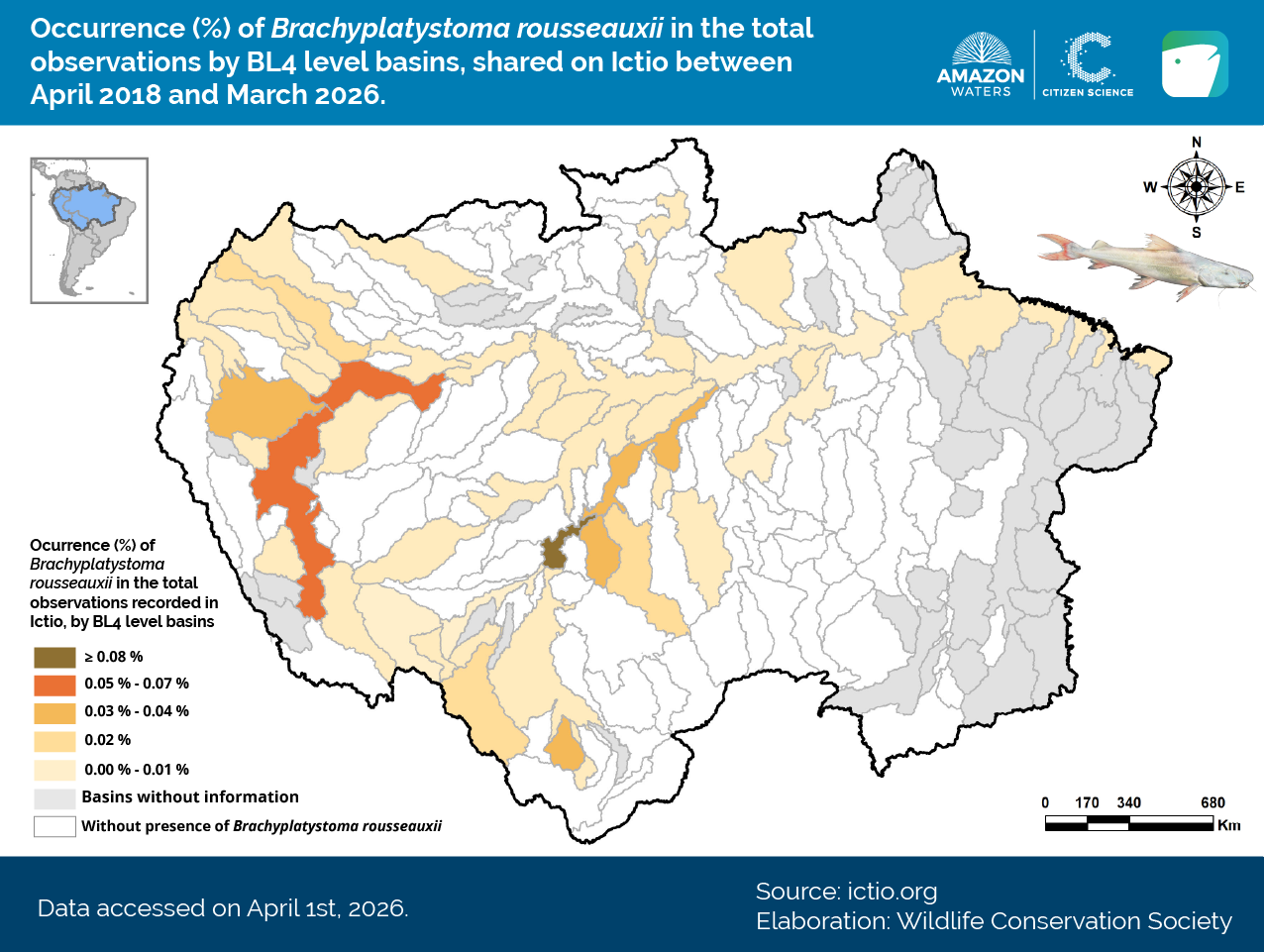
Ictio includes records of seven species from the genus Brachyplatystoma. Dorado (Brachyplatystoma rousseauxii) accounts for the highest number of observations, with 6,681 records, followed by “saltón” or “lechero” (Brachyplatystoma filamentosum) with 4,153, and the manitoa or piramutaba (Brachyplatystoma vaillantii), with 3,897 observations (Figure 5).
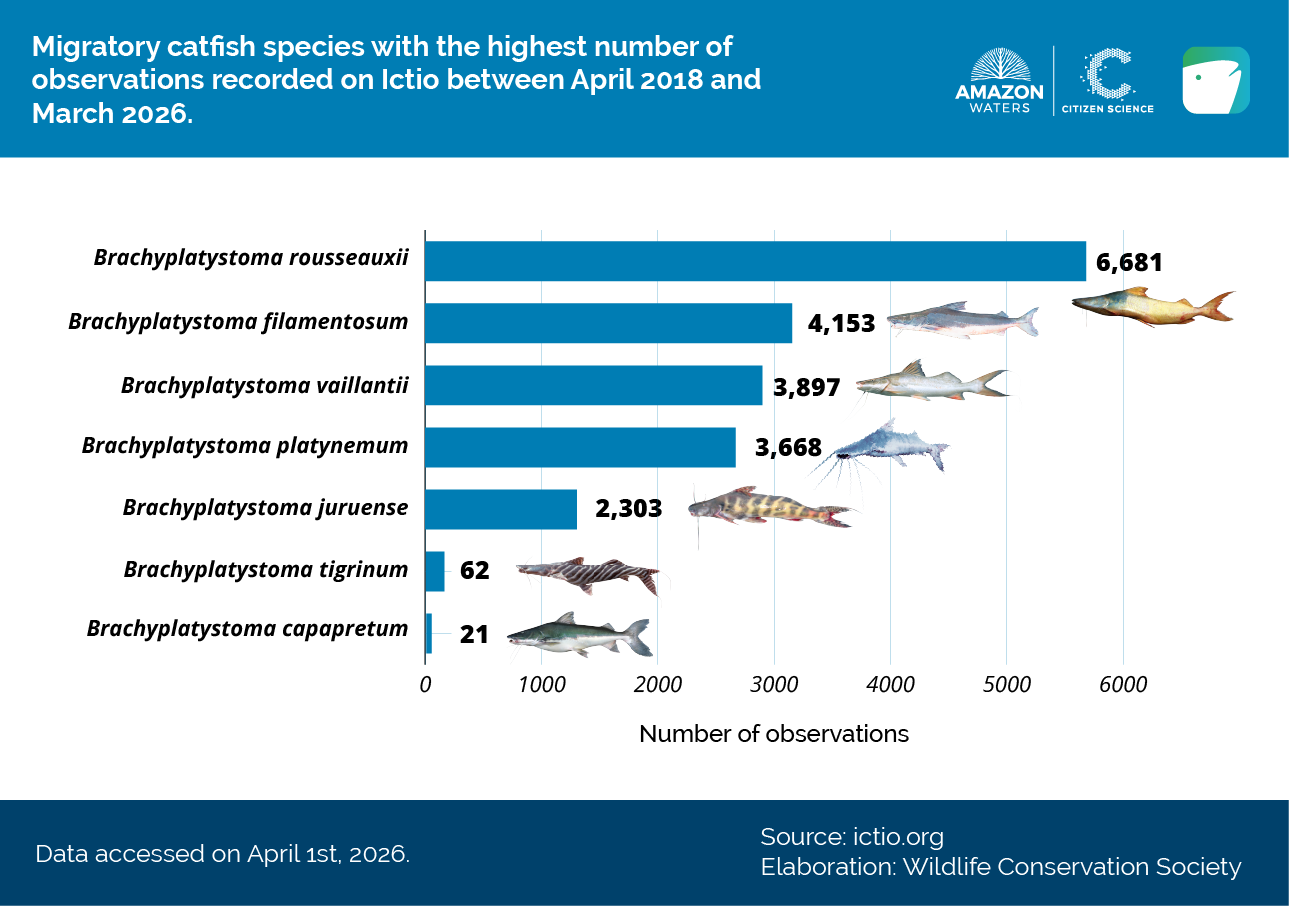
Figure 4 – Brachyplatystoma catfish records in Ictio as of March 31, 2026
These species are part of the so‑called “large migratory catfishes of the Amazon,” which are the focus of the Multispecies Regional Action Plan for the Conservation of Amazonian Migratory Catfishes. The parties approved the Plan during COP15 of the Convention on the Conservation of Migratory Species (CMS), held in March 2026 in Campo Grande, Brazil (see details here).
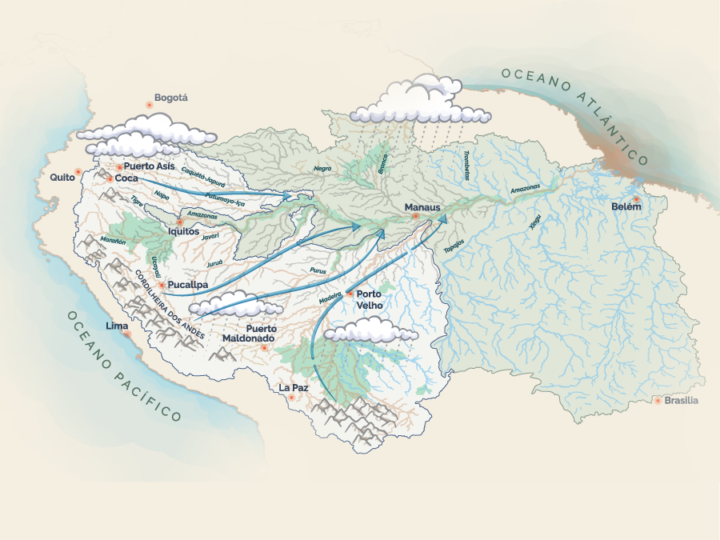
The plan follows the 2024 inclusion of the dorado (B. rousseauxii) and manitoa/piramutaba (B. vaillantii) in CMS Appendix II, and provides guidance for the management and sustainable fisheries of these species, with potential benefits for other migratory fishes across the Amazon (Figure 4).

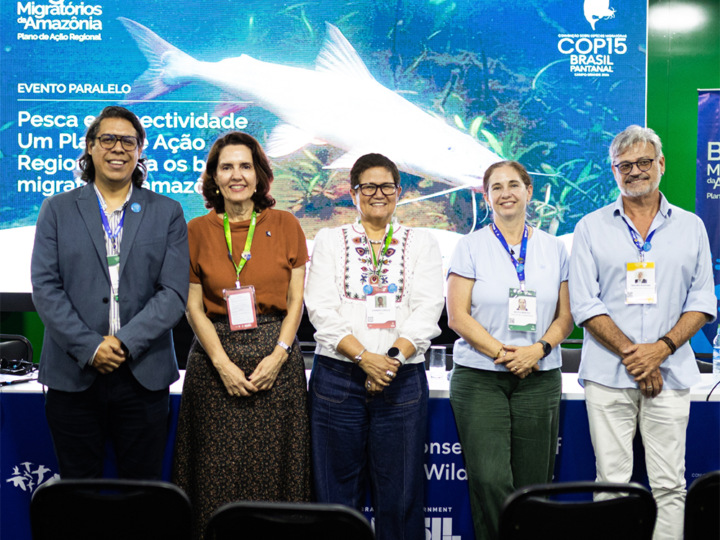
Figure 5 – Amazon Waters Alliance delegation at COP15 CMS
*(Learn more about the basin classification used by Ictio, see Venticinque et al., 2016 – “New Geographical Information System (GIS) on Rivers and Basins for the Conservation of Aquatic Ecosystems in the Amazon”).
GLOSSARY
Checklists: Lists of fish caught in a fishing event.
BL4 Basins: Basin level 4 is the scale that delineates all tributary sub-basins between 10,000 km² and 100,000 km².
Observations: Records of species/groups of fish species caught in the Amazon Basin.
Users: Amazonian citizens using the ICTIO application or platform, consisting mainly of local and indigenous peoples, individual fishers, management groups, associations of fishermen, and scientists.

This note is made possible thanks to the support of the Gordon and Betty Moore Foundation. The content is the responsibility of the Wildlife Conservation Society and does not necessarily reflect the views of the Moore Foundation.